

urban sanitation electric truck
An urban sanitation electric truck is a specialized vehicle designed to collect and transport waste in cities while minimizing environmental impact and noise. It replaces traditional diesel-powered garbage trucks with a fully electric powertrain, making it particularly suitable for dense residential areas, narrow streets, and zones with strict emission regulations.The core of the vehicle is its high-capacity battery pack, which powers an electric motor that drives the truck and operates the compaction and lifting equipment. Regenerative braking systems recover energy during frequent stop‑and‑go driving, a common pattern in waste collection routes, and feed it back into the battery. This improves overall efficiency and extends the operating range within a typical workday.Because it produces zero tailpipe emissions, this type of truck helps reduce urban air pollution, including nitrogen oxides and particulates commonly associated with diesel engines. Lower emissions contribute to cleaner air and better public health, particularly for workers who spend long hours near the vehicle and for residents along collection routes. In addition, the electric drivetrain is significantly quieter than conventional powertrains, which allows waste collection to take place earlier in the morning or later at night with less disturbance to local communities.The vehicle body is designed for practical, safe, and efficient operation. A reinforced rear or side loading system can accommodate standard bins and containers, with automated lifting arms reducing the need for manual handling and improving worker safety. The compaction chamber uses electric or electro‑hydraulic systems to compress waste, maximizing payload and reducing the number of trips to transfer stations or landfills. The chassis is typically optimized for maneuverability, featuring a tight turning radius to navigate narrow streets, alleys, and crowded urban environments.Charging infrastructure is a key element in the deployment of these trucks. Most fleets use depot‑based overnight charging, taking advantage of off‑peak electricity rates and ensuring that vehicles begin each day with a full charge. Some operations may add fast‑charging capabilities to extend daily range or to support double shifts. Fleet management systems monitor battery health, energy consumption, and route efficiency, allowing operators to optimize schedules and reduce operational costs.In addition to environmental benefits, the urban sanitation electric truck can offer lower total cost of ownership over its lifetime. Electric drivetrains have fewer moving parts than internal combustion engines, which can lead to reduced maintenance requirements and downtime. Fuel savings from electricity versus diesel, combined with potential incentives or regulatory advantages, further improve economic viability. As cities aim to meet climate targets and improve quality of life, these trucks represent a practical and tangible step toward cleaner, quieter, and more sustainable urban waste management.
Products
Category:
-
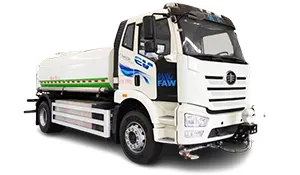
Jiefang CL5186GSSBEV pure electric sprinkler truck
Category: Sprinkler truckBrowse number: 4Number:Release time: 2026-03-25 14:41:06A pure electric sprinkler truck uses battery power to perform road cleaning, dust suppression, and urban sanitation tasks with zero emissions. It offers quiet operation, high energy efficiency, and low maintenance costs, making it ideal for city streets, industrial parks, residential zones, and environmentally sensitive areas requiring sustainable cleaning solutions.
News
Category:
No search results found!
Case
Category:
No search results found!
Video
Category:
No search results found!
Download
Category:
No search results found!
Job
Category:
No search results found!
Featured Products
No search results found!



 WhatsApp
 Phone
Phone