Sanitation Industry: Modern Solutions for Urban and Industrial Waste Management
The sanitation industry is essential for public health, environmental protection, and urban hygiene. Rapid urbanization and industrial growth have increased the demand for efficient waste collection, street cleaning, and sewage management solutions. Modern cities require specialized vehicles to handle municipal solid waste, liquid waste, and hazardous materials safely and efficiently.
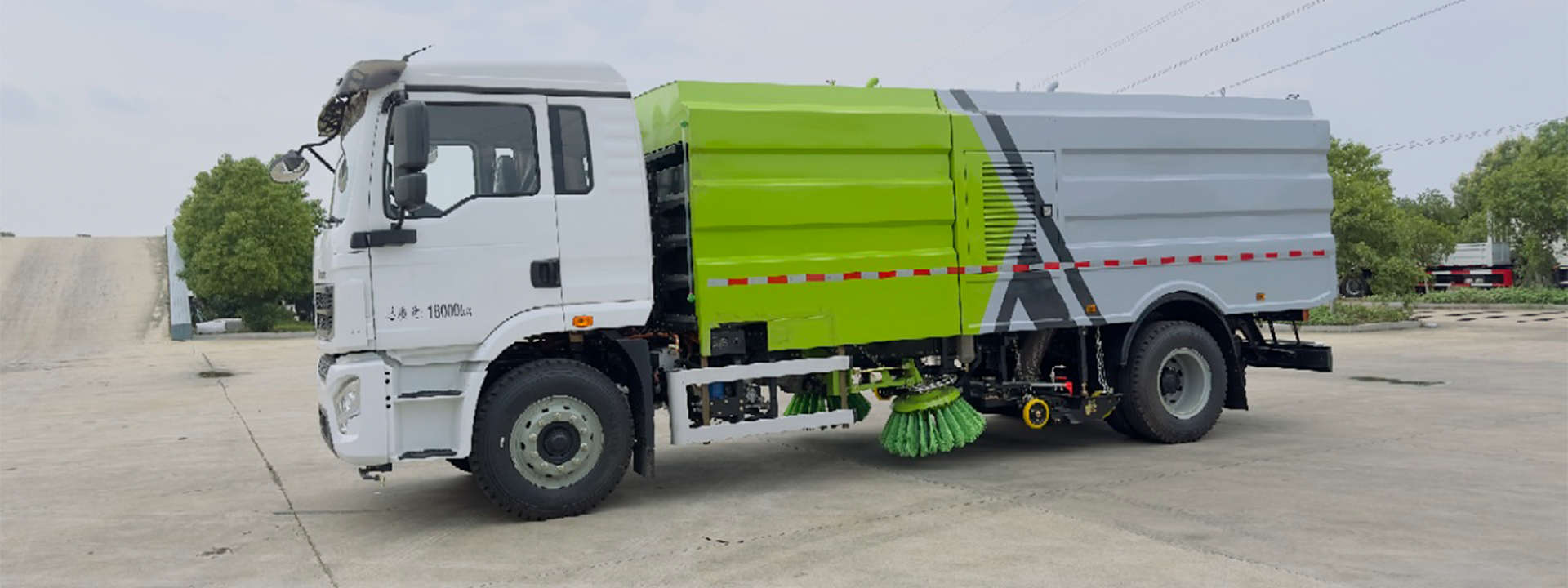
Hubei Chengli Special Automobile Co., Ltd, located in Suizhou, Hubei province, central China, is a leading manufacturer of sanitation and special-purpose vehicles. Established in 2004, the company has developed over 800 types of vehicles, including garbage trucks, street sweepers, water tankers, sewage suction trucks, aerial platforms, and fuel delivery trucks. With more than 70 workshops, 16 assembly lines, and 12,600 staff, Hubei Chengli combines large-scale production with advanced R&D capabilities, making it a key player in China and overseas markets.
Vehicle Design and Technology
Sanitation vehicles must balance durability, performance, and operational safety. Hubei Chengli uses reinforced steel, aluminum alloys, and corrosion-resistant coatings to ensure vehicle longevity. Garbage trucks and compressed waste vehicles feature high-capacity storage and hydraulic compaction systems, while street sweepers employ modular brushes, suction units, and dust filtration technology. Water tankers and sewage trucks include high-pressure pumps and reinforced tanks for safe liquid handling.
The company emphasizes rigorous quality control, including hydraulic tensile tests, low-temperature impact tests, ultrasonic and X-ray flaw detection, and pressure testing. These measures ensure vehicles operate reliably in diverse urban and industrial environments.
Applications and Industry Impact
Sanitation vehicles serve multiple sectors: urban streets, industrial sites, ports, airports, and emergency response operations. Garbage trucks and street sweepers maintain public spaces, while vacuum and water tank vehicles manage hazardous liquids and sewage. Multi-purpose sanitation vehicles support disaster recovery and temporary event sanitation, improving efficiency and environmental safety.
New energy solutions, including electric and hybrid vehicles, are increasingly adopted to reduce emissions and noise in densely populated areas. GPS-enabled route optimization and automation improve operational efficiency and reduce costs.
Challenges and Trends
The sanitation industry faces challenges such as urban congestion, fuel costs, and regulatory compliance. Emerging trends include electrification, automation, modular vehicle designs, and integration with recycling or waste-to-energy systems. These innovations enhance sustainability, operational efficiency, and environmental impact, shaping the future of urban sanitation.
Conclusion
Sanitation vehicles are vital for public health, urban hygiene, and industrial waste management. Hubei Chengli Special Automobile Co., Ltd provides reliable, advanced solutions that combine durability, technology, and efficiency. With ongoing innovations in electrification, automation, and modular design, the sanitation industry is evolving toward safer, cleaner, and more sustainable urban and industrial environments.



 WhatsApp
 Phone
Phone