New Energy Sweeper Trucks vs Traditional Sweepers: A Complete Comparison
Industry Background and Market Demand
Urban sanitation has become increasingly complex as cities expand and environmental regulations tighten. Municipalities and industrial zones require efficient street cleaning solutions to manage waste, dust, and debris while minimizing environmental impact. Traditional diesel-powered sweepers have long dominated the market, offering reliability and high-capacity operations. However, rising fuel costs, stricter emission standards, and sustainability initiatives have accelerated demand for new energy sweeper trucks, including electric and hybrid models.
New energy sweepers are positioned as solutions to reduce operational costs, lower carbon footprints, and comply with evolving environmental regulations. Market research indicates that cities with dense traffic, frequent construction activity, or sensitive environmental zones are early adopters, seeking vehicles that combine operational efficiency with reduced emissions and noise pollution.
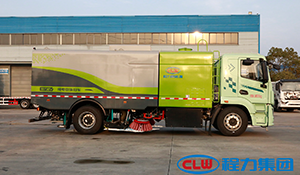
Core Concepts and Key Technologies
Comparing new energy sweepers to traditional diesel models requires understanding core technologies:
Powertrain Systems: Traditional sweepers rely on internal combustion engines (ICE), while new energy models utilize electric motors or hybrid configurations. Electric systems eliminate tailpipe emissions, improve energy efficiency, and allow quieter operation.
Brush and Suction Mechanisms: Both types use rotating brushes and vacuum suction systems to collect debris. New energy sweepers incorporate energy-efficient brush motors and optimized suction designs to reduce power consumption.
Filtration and Dust Control: High-efficiency particulate air (HEPA) filters or multi-stage dust capture systems improve air quality and minimize dust re-entrainment. Electric models often integrate regenerative energy management to optimize filter operation.
Automation and Monitoring: Advanced new energy models feature telematics, real-time performance monitoring, and predictive maintenance alerts, enhancing operational reliability and reducing downtime.
These technological distinctions drive differences in operational efficiency, environmental impact, and total cost of ownership.
Vehicle Structure, Performance, Materials, and Manufacturing
The chassis and body structures of sweepers significantly influence performance. Traditional sweepers use reinforced steel frames and high-capacity fuel tanks for extended operational range. New energy models often integrate lightweight aluminum or composite materials to offset battery weight and improve energy efficiency.
Internal components, such as suction blowers, hydraulic systems, and brush assemblies, are manufactured with wear-resistant alloys to withstand abrasive debris and prolonged use. Electric sweepers may require specialized thermal management systems to maintain battery efficiency and prevent overheating under heavy loads. Manufacturing precision, especially in sealing mechanisms and brush alignment, affects debris collection efficiency and reduces maintenance frequency.
Key Factors Affecting Quality and Performance
Several factors determine the effectiveness and durability of both traditional and new energy sweepers:
Powertrain Reliability: Diesel engines require regular maintenance, while electric motors depend on battery health and controller integrity.
Brush and Suction Efficiency: Proper alignment, wear resistance, and hydraulic or electric drive performance directly impact cleaning quality.
Material Durability: Corrosion-resistant materials and reinforced chassis increase vehicle lifespan, particularly in harsh urban or industrial environments.
Operator Ergonomics: Comfortable cabin design, intuitive controls, and clear visibility improve operational efficiency and reduce fatigue.
Maintenance Access: Easy access to hydraulic pumps, batteries, and filters ensures timely servicing and reduces operational downtime.
Attention to these factors ensures high performance, cost-efficiency, and reliable service life.
Supply Chain and Supplier Selection Considerations
Selecting components and suppliers is critical to maintain quality and operational efficiency:
Certified Powertrain and Battery Suppliers: For electric models, battery performance, safety, and lifecycle are crucial. Diesel engines should comply with emission standards and reliability benchmarks.
Chassis and Structural Component Suppliers: Proven expertise in heavy-duty or specialized vehicle fabrication is essential for durability and safety.
After-Sales Service Network: Availability of spare parts, maintenance support, and technical training ensures minimal downtime.
Customization Capability: Suppliers capable of configuring brush layouts, suction systems, and cabin ergonomics for specific operational requirements provide long-term flexibility.
A reliable supply chain ensures that vehicles operate optimally and remain compliant with local regulations.
Common Challenges and Industry Pain Points
Despite advancements, both traditional and new energy sweepers face operational challenges:
Operational Range: Electric models are limited by battery capacity, impacting coverage in larger areas without charging infrastructure.
Maintenance Complexity: Diesel engines require oil changes and emission system upkeep, while electric motors depend on sophisticated battery management systems.
Cost of Ownership: Initial investment for new energy sweepers is higher, although operational savings often offset this over time.
Dust and Debris Management: Ensuring consistent debris collection in heavy traffic or industrial zones requires precise brush and suction calibration.
Infrastructure Dependence: Charging stations for electric sweepers or fuel logistics for diesel units can influence deployment efficiency.
Mitigating these challenges requires careful route planning, maintenance programs, and infrastructure support.
Application Scenarios and Use Cases
Sweepers are deployed in diverse urban and industrial contexts:
Urban Streets and Sidewalks: Electric sweepers provide quiet, low-emission cleaning during peak or off-peak hours.
Industrial Parks and Factories: High-capacity diesel sweepers efficiently manage large debris volumes in heavy-duty environments.
Airports and Transportation Hubs: Both types are used for runway, apron, and cargo area cleaning, with electric models favored for noise-sensitive areas.
Event Management: Temporary deployments benefit from electric sweepers’ low noise and maneuverability in crowded zones.
Municipal Maintenance: Routine street and roadside cleaning increasingly leverages hybrid models for longer operational hours with reduced environmental impact.
These examples demonstrate the strategic selection of sweeper types based on operational needs, environmental constraints, and cost considerations.
Current Trends and Future Directions
Several trends are shaping the evolution of street sweeping solutions:
Electrification: Wider adoption of fully electric or hybrid sweepers reduces emissions, energy costs, and noise pollution.
Automation and Telematics: Integration of real-time monitoring, predictive maintenance, and route optimization enhances efficiency.
Lightweight, Durable Materials: Advanced alloys and composites reduce energy consumption while improving durability.
Modular Systems: Interchangeable brush heads, suction assemblies, and filter modules allow flexible maintenance and operational adaptability.
Sustainability and Policy Compliance: Stricter environmental regulations encourage adoption of clean energy solutions and recycling-friendly debris management systems.
These developments highlight a transition toward smarter, greener, and more efficient urban sanitation operations.
Conclusion
The choice between new energy sweeper trucks and traditional diesel models hinges on operational requirements, environmental regulations, and long-term cost efficiency. While diesel sweepers provide high capacity and established reliability, electric and hybrid sweepers offer sustainability, quieter operation, and lower emissions. Understanding differences in powertrain, material composition, brush and suction mechanisms, and maintenance needs is essential for municipalities and industrial operators to optimize their fleets. Emerging trends, including automation, lightweight materials, and intelligent monitoring, suggest that new energy sweepers will play an increasingly central role in modern urban and industrial sanitation.



 WhatsApp
 Phone
Phone
Comment
(0)