Industry Background and Market Demand
Tanker trucks are integral to the safe and efficient transport of liquids, gases, and granular materials across industrial sectors. Manufacturing facilities, chemical plants, fuel distribution networks, and agricultural operations rely on specialized vehicles to move bulk materials reliably. Increasing industrial output, stringent safety regulations, and heightened environmental awareness have driven demand for innovative tanker truck designs that maximize efficiency while minimizing risk.
Industrial operations require not only high-capacity transport but also operational reliability under diverse conditions. Regulatory compliance for hazardous material transport, environmental standards, and operational cost reduction are critical drivers influencing tanker truck design. As a result, manufacturers are investing in technologies that enhance structural integrity, fluid dynamics, and automation, addressing both safety and efficiency concerns.
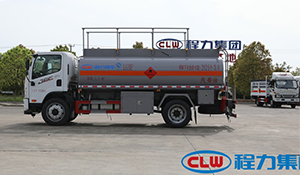
Core Concepts and Key Technologies
Modern tanker truck innovations center on three core objectives: safety, efficiency, and operational flexibility. Key technological components include:
Compartmentalized Tank Design: Segmented tanks reduce liquid surge, improve stability during transit, and allow simultaneous transport of multiple materials with minimal cross-contamination.
Advanced Pumping and Flow Systems: High-efficiency pumps, metering systems, and integrated valves enable precise loading and unloading, reducing spillage and minimizing downtime.
Smart Monitoring Systems: Sensors for tank pressure, temperature, and fluid levels provide real-time monitoring to prevent overfill, detect leaks, and enhance operational safety.
Aerodynamic and Lightweight Design: Optimized tank geometry and material selection improve fuel efficiency while maintaining structural strength.
Hybrid and Alternative Powertrains: Electrification or hybrid drivetrains are increasingly integrated to reduce emissions and comply with environmental regulations in industrial zones.
These technologies collectively improve transport efficiency, ensure regulatory compliance, and mitigate risks associated with hazardous or heavy materials.
Vehicle Structure, Performance, Materials, and Manufacturing
Tanker trucks are engineered for both structural resilience and operational performance. The chassis is typically reinforced to accommodate high payloads, while suspension systems are calibrated for stability under variable load conditions. Tanks are fabricated using stainless steel, aluminum alloys, or specialized composites to balance corrosion resistance, weight reduction, and durability.
Manufacturing processes include precise welding, pressure testing, and non-destructive inspection techniques to ensure tank integrity. Internal baffling is strategically designed to minimize liquid sloshing, improving road stability and driver safety. Hydraulic and pneumatic systems are rigorously tested to maintain high reliability for pumping and unloading operations, even in demanding industrial environments.
Operational performance is enhanced by integrating ergonomic operator controls, automated valves, and intelligent flow regulation systems. Vehicle dynamics are optimized for urban roads, highways, and industrial facilities where maneuverability and reliability are critical.
Key Factors Affecting Quality and Performance
Several factors influence tanker truck efficiency, longevity, and operational safety:
Material Selection: Corrosion-resistant alloys and reinforced composites prevent structural degradation, particularly when transporting chemical or corrosive fluids.
Welding and Fabrication Quality: Defects in seams or joints can compromise tank integrity under high-pressure loads.
Hydraulic and Pump Reliability: Component wear or improper maintenance can disrupt loading and unloading processes.
Weight Distribution: Proper load balancing minimizes chassis stress and improves handling.
Operator Training and Maintenance: Skilled operators and routine maintenance schedules extend equipment lifespan and reduce safety incidents.
Attention to these factors ensures that tanker trucks deliver consistent performance, reduce downtime, and meet regulatory standards.
Supply Chain and Supplier Considerations
A resilient supply chain is essential for producing high-quality tanker trucks. Critical considerations include:
Certified Component Suppliers: Tanks, pumps, sensors, and valves must comply with industrial safety and performance standards.
Experienced Fabricators: Manufacturers with expertise in pressure vessels, hydraulics, and industrial vehicle assembly reduce integration errors.
After-Sales Support: Spare parts, service networks, and technical guidance ensure operational continuity for industrial fleets.
Customization Capability: Suppliers should accommodate specific tank sizes, compartmentalization schemes, and flow system requirements based on customer application.
A robust supply chain ensures reliability, compliance, and long-term operational performance of tanker fleets.
Common Challenges and Industry Pain Points
Despite technological advances, industrial tanker truck operations face persistent challenges:
Hazardous Material Handling: Transporting flammable, corrosive, or toxic liquids requires strict adherence to safety protocols.
Weight and Stability Issues: Full tanks significantly impact vehicle handling, necessitating careful design and operator awareness.
Maintenance Demands: Hydraulic pumps, sensors, and valves require frequent inspection to prevent failures.
Urban and Industrial Access Constraints: Large trucks must navigate confined industrial sites or congested roads.
Regulatory Compliance Pressure: Varying international standards for emissions, tank certification, and transport safety increase operational complexity.
Mitigating these pain points requires comprehensive design, operator training, and ongoing maintenance strategies.
Application Scenarios and Use Cases
Tanker trucks serve diverse industrial applications:
Fuel and Chemical Transport: Delivery of petroleum, solvents, and liquid chemicals to production sites or distribution depots.
Food and Beverage Industry: Safe transport of milk, edible oils, or liquid ingredients under hygienic conditions.
Water and Waste Management: Bulk transport of potable water, wastewater, or industrial liquids to treatment facilities.
Construction Sites: Delivery of adhesives, cement slurry, or other liquid construction materials in precise volumes.
Emergency Industrial Response: Mobile tanks for firefighting foam or containment solutions during industrial incidents.
Each scenario demands precise engineering, operational reliability, and compliance with safety regulations.
Current Trends and Future Directions
Several innovations are shaping the next generation of industrial tanker trucks:
Electrification and Hybrid Solutions: Reducing emissions, operating costs, and noise in urban or environmentally sensitive areas.
Automation and Remote Monitoring: Real-time flow monitoring, predictive maintenance alerts, and automated control systems enhance efficiency and safety.
Lightweight, High-Strength Materials: Advanced alloys and composites improve payload capacity without compromising vehicle stability.
Smart Fleet Management: Integration with IoT platforms for route optimization, load tracking, and compliance monitoring.
Modular and Multi-Compartment Designs: Flexible configurations accommodate multiple fluids or materials while reducing contamination risk.
These trends indicate a strong focus on efficiency, safety, environmental compliance, and operational intelligence in industrial tanker operations.
Conclusion
Industrial tanker trucks have evolved beyond simple transport vehicles into sophisticated systems that maximize efficiency, safety, and regulatory compliance. Innovations in materials, hydraulic systems, smart monitoring, and vehicle design enable precise, reliable operations across diverse industrial sectors. By selecting robust designs, leveraging skilled suppliers, and adopting emerging technologies, industries can optimize their tanker fleets for both current operational demands and future industrial challenges.



 WhatsApp
 Phone
Phone
Comment
(0)