Explosion-Proof Water Cannon Trucks in Firefighting and Riot Control
Industry Background and Market Demand
Urban centers, industrial complexes, and high-risk facilities require specialized vehicles to manage emergencies and maintain public safety. Explosion-proof water cannon trucks have emerged as essential assets in firefighting and riot control operations, providing the ability to deliver large volumes of water or fire-suppressant agents while ensuring crew safety in hazardous conditions.
Rising urban populations, increasing industrial activity, and heightened public safety regulations have fueled demand for these vehicles. Fire departments, law enforcement agencies, and private industrial facilities require high-capacity, robust, and safe platforms that can operate in explosive, flammable, or riot-prone environments. Efficiency, reliability, and operator protection are now central considerations in the design and deployment of these specialized trucks.
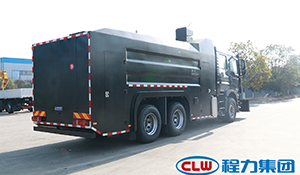
Core Concepts and Key Technologies
Explosion-proof water cannon trucks integrate several critical technologies:
High-Pressure Water Systems: Adjustable water jets with varying pressure levels allow precise targeting for firefighting or crowd control. Systems are designed to maintain stable flow without pressure fluctuations.
Explosion-Resistant Construction: Reinforced cabins, armored tanks, and blast-resistant materials protect operators from shrapnel, backfire, and environmental hazards.
Remote-Controlled Turrets: Automated or remotely controlled water cannons allow operators to engage targets from a safe distance, reducing exposure to risk.
Advanced Pumping Mechanisms: Hydraulic and electric pumps provide rapid water discharge and recovery, ensuring continuous operation in dynamic scenarios.
Integrated Safety Systems: Fire suppression, pressure relief valves, and monitoring sensors maintain operational stability under extreme conditions.
These technologies collectively enhance operational efficiency, crew safety, and vehicle reliability in challenging environments.
Vehicle Structure, Performance, Materials, and Manufacturing
Explosion-proof water cannon trucks are engineered to balance durability, mobility, and performance. The chassis is reinforced to support heavy water tanks and armor, while suspension systems are tuned to manage high center-of-gravity loads. Tanks are fabricated using corrosion-resistant alloys, often stainless steel or specialized composites, to handle high-pressure water and chemical agents.
Cabins employ blast-resistant glass and reinforced framing to withstand explosive forces or projectiles. Turret systems are typically constructed from high-strength steel or aluminum alloys, with seals and bearings designed to resist wear from continuous high-pressure operation. Manufacturing processes include precision welding, non-destructive testing, and rigorous pressure trials to ensure structural integrity and operational reliability.
Operational performance is further enhanced by ergonomically designed controls, modular water cannon attachments, and adaptable power systems to meet diverse firefighting or crowd-control requirements.
Key Factors Affecting Quality and Performance
Several factors directly impact the effectiveness of explosion-proof water cannon trucks:
Material Integrity: Corrosion resistance, impact resistance, and armor quality are critical for longevity and crew protection.
Pump and Turret Reliability: Consistent water flow, adjustable pressure, and turret mobility ensure operational effectiveness.
Weight Distribution: Proper balancing reduces tipping risks and improves vehicle handling under full load conditions.
Operator Training and Safety Protocols: Skilled personnel and clear safety procedures enhance vehicle utility while minimizing accidents.
Maintenance Accessibility: Easy access to pumps, valves, and armor components allows timely inspections and repairs, preserving operational readiness.
Neglecting any of these factors can compromise safety, performance, or both, particularly in high-stakes operational environments.
Supply Chain and Supplier Considerations
Reliable suppliers are essential for producing and maintaining explosion-proof water cannon trucks:
Certified Component Manufacturers: Tanks, pumps, sensors, and armor materials must comply with industrial safety and quality standards.
Experienced Fabricators: Companies specializing in heavy-duty armored vehicles or firefighting equipment ensure accurate integration of complex systems.
After-Sales Support: Availability of spare parts, service technicians, and training programs reduces downtime and enhances fleet longevity.
Customization Capabilities: Suppliers should accommodate turret specifications, tank sizes, and control systems based on operational scenarios.
A robust supply chain guarantees that vehicles maintain consistent performance and meet regulatory requirements over time.
Common Challenges and Industry Pain Points
Despite technological advances, several challenges remain in operating explosion-proof water cannon trucks:
High Operational Costs: Maintenance, fuel, and specialized components increase total ownership costs.
Weight and Mobility Constraints: Heavy armor and full water tanks impact maneuverability in urban or confined environments.
Infrastructure Dependency: Limited access to water supply or recharging facilities may restrict operational range.
Crew Safety in Extreme Conditions: Exposure to riots, fire, or chemical hazards requires constant adherence to safety protocols.
Regulatory Compliance: Firefighting and riot control operations are subject to diverse international standards for vehicle safety, emissions, and tactical deployment.
Addressing these pain points involves careful planning, infrastructure support, and investment in operator training.
Application Scenarios and Use Cases
Explosion-proof water cannon trucks are deployed in a variety of high-risk environments:
Industrial Firefighting: Suppression of chemical fires or flammable liquid incidents in factories, refineries, and storage facilities.
Urban Riot Control: Crowd management using adjustable water jets, providing non-lethal intervention while maintaining operator safety.
Hazardous Materials Sites: Containment and mitigation of fires involving explosive or reactive substances.
Airport Emergency Response: Rapid suppression of fuel-related fires on runways or aircraft aprons.
Disaster Recovery Operations: Controlled water deployment for cleaning, cooling, or emergency containment in post-disaster environments.
Each scenario requires vehicles with precise control, high reliability, and robust safety features to ensure effective operation under pressure.
Current Trends and Future Directions
Innovation in explosion-proof water cannon trucks continues to evolve along several fronts:
Electrification and Hybrid Power: Reducing emissions, noise, and fuel dependency while maintaining high-pressure capabilities.
Enhanced Automation: Remote-controlled turrets, automated pressure regulation, and real-time telemetry improve operational efficiency and reduce human risk.
Advanced Materials: Lightweight armor composites and corrosion-resistant alloys improve mobility without compromising protection.
Integrated Data Systems: Telematics platforms provide predictive maintenance, operational analytics, and real-time coordination with emergency networks.
Modular and Multi-Function Designs: Vehicles are increasingly adaptable, allowing rapid reconfiguration for firefighting, riot control, or hazardous material response.
These trends indicate a focus on safer, more sustainable, and technologically integrated solutions for urban and industrial emergency management.
Conclusion
Explosion-proof water cannon trucks represent a critical intersection of safety, performance, and operational intelligence in firefighting and riot control. By combining reinforced construction, high-pressure water systems, remote operation, and advanced monitoring, these vehicles protect operators while delivering efficient response capabilities. Careful attention to material quality, hydraulic and turret performance, supply chain reliability, and operator training ensures these vehicles meet the stringent demands of high-risk industrial and urban environments. Emerging trends in automation, electrification, and modular design suggest that these specialized trucks will continue to evolve, offering increasingly sophisticated solutions for modern public safety operations.



 WhatsApp
 Phone
Phone
Comment
(0)