Choosing the Right Command Vehicle for Public Safety Operations
Industry Background and Market Demand
Modern public safety operations, encompassing emergency response, law enforcement, and disaster management, require mobile command centers capable of coordinating personnel, equipment, and information in real time. Increasing urban populations, complex infrastructure, and higher expectations for rapid emergency response have created demand for specialized command vehicles. These vehicles serve as operational hubs during critical incidents, ensuring that decision-makers have access to communication networks, situational awareness tools, and logistical support even in challenging or hazardous environments.
Municipal, regional, and national public safety agencies are under pressure to maintain operational readiness while adhering to budget constraints. Command vehicles that combine robust communications, durability, and operational flexibility are increasingly viewed as essential assets in managing emergencies efficiently and safely.
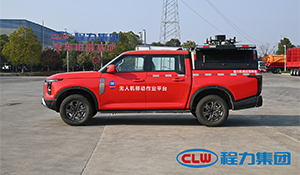
Core Concepts and Key Technologies
Command vehicles integrate multiple technical capabilities to support public safety operations. The core functions include:
Communication Systems: Integrated radio, satellite, cellular, and secure digital networks enable coordination between field teams, dispatch centers, and inter-agency partners.
Data and Surveillance Integration: Onboard servers and workstations allow real-time video feeds, GIS mapping, and data analytics to support situational assessment.
Mobile Workstations: Ergonomically designed operator stations enable personnel to monitor operations, manage resources, and direct emergency response with minimal fatigue.
Power and Redundancy Systems: Independent generators, battery backups, and UPS systems maintain continuous operation during extended deployments or power outages.
Environmental and Safety Controls: HVAC systems, blast-resistant materials, and ergonomic layouts protect personnel from environmental hazards and ensure sustained operational efficiency.
By integrating these technologies, command vehicles enhance situational awareness, improve decision-making speed, and ensure operational continuity during emergencies.
Vehicle Structure, Performance, Materials, and Manufacturing
Command vehicles are typically based on heavy-duty chassis platforms capable of supporting the weight of communication and operational equipment. Modular designs allow customization of internal layouts to meet specific operational requirements, such as additional workstations, data centers, or tactical equipment storage.
Materials are selected for durability, safety, and performance. Reinforced steel or aluminum alloys provide structural integrity, while blast-resistant panels, shatterproof glass, and reinforced flooring protect personnel and equipment. Manufacturing emphasizes precise welding, corrosion-resistant coatings, and rigorous assembly inspections to ensure both structural reliability and compliance with safety standards.
Performance considerations extend to vehicle mobility, stability, and reliability. Suspension systems are optimized for uneven terrains, braking systems are designed for heavy loads, and drivetrains are selected for reliability under continuous operation. The integration of hydraulic or electrical systems for slide-out workstations, antenna masts, and satellite dishes further enhances functionality without compromising safety or stability.
Key Factors Affecting Quality and Performance
The effectiveness of a command vehicle is influenced by multiple interdependent factors:
Electrical and Communication System Reliability: Continuous operation of radios, servers, and monitoring systems is critical during extended incidents.
Structural Integrity: Chassis and body durability determine the vehicle’s lifespan and its ability to operate in harsh conditions.
Ergonomic Design: Efficient workstation layout improves operator performance and reduces fatigue.
Environmental Resistance: HVAC systems, insulation, and filtration protect sensitive equipment and personnel in extreme temperatures or contaminated environments.
Maintenance and Serviceability: Ease of access to hydraulic, electrical, and mechanical components reduces downtime and maintenance costs.
Ignoring these factors can compromise mission effectiveness, increase operational risk, and result in costly repairs.
Supply Chain and Supplier Considerations
Acquiring a reliable command vehicle requires careful selection of suppliers for chassis, communication systems, and specialized interiors. Key considerations include:
Certified Component Suppliers: Electrical, hydraulic, and communication equipment must meet industry standards for reliability and safety.
Experience in Emergency Vehicle Manufacturing: Manufacturers with proven expertise can integrate complex systems efficiently and reliably.
After-Sales Support: Availability of spare parts, technical service, and training programs ensures operational readiness throughout the vehicle’s lifecycle.
Customization Capabilities: Suppliers able to adapt modular designs for specific agency requirements provide long-term flexibility and cost efficiency.
A robust supply chain minimizes integration errors, ensures compliance with regulatory standards, and enhances operational reliability.
Common Challenges and Industry Pain Points
Command vehicles face multiple operational challenges:
High Operational Costs: Custom vehicles with advanced systems require significant initial investment and ongoing maintenance.
Complex System Integration: Combining communications, surveillance, and power systems requires precise engineering to avoid failures.
Mobility Limitations: Size and weight can restrict access to narrow streets, rural areas, or uneven terrain.
Rapid Deployment Requirements: Vehicles must be ready for immediate mobilization, necessitating robust pre-deployment checks and maintenance.
Technological Obsolescence: Rapid advancements in communications and data systems require adaptable designs to avoid early obsolescence.
Addressing these challenges requires careful planning, rigorous testing, and continual adaptation to emerging operational requirements.
Application Scenarios and Use Cases
Command vehicles are employed across diverse public safety contexts:
Large-Scale Emergency Response: Natural disasters, industrial accidents, or public health crises require mobile coordination centers for multi-agency operations.
Law Enforcement Operations: Tactical response, crowd management, and critical incident command benefit from integrated communications and surveillance capabilities.
Urban Infrastructure Protection: High-risk urban zones, transportation hubs, or critical infrastructure sites use command vehicles to coordinate security measures and emergency preparedness.
Special Event Management: Concerts, festivals, or sporting events utilize mobile command units to monitor crowds and respond to emergencies efficiently.
These scenarios illustrate the versatility of command vehicles as critical enablers of operational efficiency and public safety.
Current Trends and Future Directions
The evolution of command vehicles is shaped by technological and operational trends:
Digital and Smart Systems Integration: Real-time data analytics, AI-assisted situational awareness, and predictive resource allocation improve response quality and speed.
Electrification and Hybrid Powertrains: Reducing fuel consumption and emissions aligns with sustainability initiatives and urban environmental standards.
Lightweight, Modular Designs: Advanced materials allow increased payload without compromising mobility or structural integrity.
Remote and Autonomous Capabilities: Integration with drones, robotic sensors, and remote operation enhances situational monitoring while minimizing personnel risk.
Interoperability Standards: Vehicles designed for multi-agency compatibility facilitate seamless communication during large-scale incidents.
These developments indicate a trajectory toward more intelligent, flexible, and sustainable command vehicles capable of supporting increasingly complex public safety operations.
Conclusion
Selecting the right command vehicle is a critical decision for agencies responsible for public safety. By prioritizing reliable communication systems, durable construction, ergonomic design, and robust operational capabilities, agencies can ensure effective incident management across diverse scenarios. Integration of modern technologies, adherence to regulatory standards, and careful supplier selection further enhance operational readiness. As emergency management and urban safety challenges continue to grow, purpose-built command vehicles will remain essential tools for coordinating personnel, safeguarding infrastructure, and optimizing response efficiency worldwide.



 WhatsApp
 Phone
Phone
Comment
(0)