Compressed Garbage Trucks: Maximizing Waste Collection Efficiency
Industry Background and Market Demand
Urbanization and population growth have intensified the demand for efficient municipal waste management systems. Cities are producing increasingly large volumes of municipal solid waste (MSW), and traditional open-bed trucks are often insufficient to handle these volumes efficiently. Compressed garbage trucks, also known as refuse compactor trucks, have become a cornerstone of modern waste management by reducing transportation frequency, optimizing landfill trips, and lowering operational costs.
Municipalities and private sanitation contractors are under growing pressure to balance operational efficiency with environmental sustainability. Regulatory frameworks in many regions now mandate reduction of carbon emissions and energy usage, making high-capacity, energy-efficient compaction vehicles a strategic necessity. Compressed garbage trucks address these needs by combining high payload capacity with optimized route and compaction systems.
Core Concepts and Key Technologies
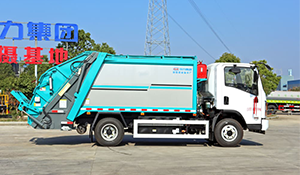
The core principle of a compressed garbage truck is mechanical compaction, which reduces the volume of collected waste to maximize transport efficiency. Key technologies include:
Hydraulic Compaction Systems: Powerful hydraulic rams compress refuse in the storage compartment, increasing payload density and reducing the number of trips to disposal sites.
Automated Loading Mechanisms: Side-loading, rear-loading, or front-loading arms allow rapid collection of standardized bins, reducing labor and collection time.
Smart Control Systems: Sensors monitor fill levels, hydraulic pressure, and compaction performance, ensuring operational safety and efficiency.
Emission and Energy Management: Modern models often integrate hybrid or electric powertrains to minimize fuel consumption and comply with emission standards.
These technologies allow waste collection fleets to operate efficiently while maintaining consistent performance across variable urban environments.
Vehicle Structure, Performance, Materials, and Manufacturing
A compressed garbage truck is designed to withstand high mechanical stress while maintaining operational reliability. The chassis is typically constructed from high-strength steel to support heavy loads. The compaction body is made from corrosion-resistant steel or specialized alloys to endure constant exposure to moisture, chemical residues, and abrasive debris.
Hydraulic systems are engineered for continuous duty cycles, with cylinders, pumps, and valves designed to resist wear under frequent operation. The compaction plate or ram is precision-machined to ensure smooth operation and consistent compression, while reinforced hinges and structural supports distribute forces evenly to prevent fatigue.
Manufacturing emphasizes quality control, with each vehicle undergoing pressure testing, hydraulic system validation, and corrosion resistance inspections. Electrical and control systems are integrated with safety interlocks and redundancy to ensure operational reliability.
Key Factors Affecting Quality and Performance
Several factors directly impact the efficiency, safety, and lifespan of compressed garbage trucks:
Hydraulic System Integrity: Proper pump and cylinder design ensures consistent compaction force and prevents leaks or system failures.
Material Durability: Corrosion-resistant materials extend service life in harsh urban waste environments.
Vehicle Balance and Weight Distribution: Proper load distribution prevents chassis stress and improves stability during operation.
Operator Training: Skilled personnel optimize compaction settings and maneuvering, improving collection efficiency and reducing wear.
Maintenance Practices: Regular inspection of hydraulic, electrical, and mechanical components minimizes downtime and ensures safety compliance.
Attention to these factors determines operational performance, reliability, and cost-effectiveness.
Supply Chain and Supplier Considerations
Manufacturers rely on a complex supply chain for chassis, hydraulic components, control electronics, and compaction bodies. Key selection criteria include:
Certified Hydraulic and Electrical Components: Suppliers should provide components rated for high-cycle industrial use and compliant with relevant safety standards.
Durable Structural Materials: Proven suppliers of corrosion-resistant steels and alloys are essential to vehicle longevity.
Integration Capabilities: Components must seamlessly integrate with vehicle control systems and compaction mechanisms.
After-Sales Support: Spare parts availability, service agreements, and technical support ensure continued operational reliability for fleets.
A robust supply chain reduces production risks and guarantees vehicles meet operational and safety standards.
Common Challenges and Industry Pain Points
Despite their efficiency, compressed garbage trucks face several challenges:
Hydraulic Failures: Leaks, cylinder wear, or pump malfunctions can halt operations and require specialized repair.
Limited Access in Narrow Urban Streets: High-capacity trucks may struggle in tight residential zones or congested areas.
Variable Waste Composition: Inconsistent density or oversized waste items can reduce compaction efficiency.
Maintenance Demands: Hydraulic and electronic systems require regular inspection to maintain performance.
Regulatory Compliance: Vehicles must meet emission, noise, and operational safety standards, which can complicate fleet deployment.
Addressing these issues requires careful planning, skilled operators, and preventive maintenance protocols.
Application Scenarios and Use Cases
Compressed garbage trucks are utilized in diverse settings:
Urban Residential Areas: Efficiently collect household waste with minimized street congestion.
Commercial Districts: High-capacity trucks manage large volumes of retail and office refuse.
Industrial Parks: Vehicles handle mixed waste streams, including packaging materials and production debris.
Event Cleanup: Rapid compaction and collection reduce operational time after large public gatherings or festivals.
Each application demonstrates the importance of combining high compaction capacity with precise operational control to maintain efficiency and service quality.
Current Trends and Future Directions
Several emerging trends are shaping the evolution of compressed garbage trucks:
Electrification: Electric and hybrid models reduce fuel consumption, emissions, and operational noise, making them suitable for dense urban centers.
Smart Fleet Management: GPS tracking, real-time fill-level monitoring, and predictive maintenance optimize route planning and reduce downtime.
Lightweight, Durable Materials: Advanced alloys and composites improve payload capacity without compromising vehicle stability.
Automation of Loading Systems: Robotic arms and automated bin collection reduce labor intensity and improve safety.
Sustainability Initiatives: Integration with recycling systems and waste sorting technologies enhances environmental performance.
These trends indicate a continued focus on energy efficiency, environmental compliance, and intelligent operation to meet growing urban sanitation demands.
Conclusion
Compressed garbage trucks are central to modern urban waste management, combining high-capacity compaction with operational efficiency and environmental sustainability. Through durable materials, advanced hydraulic and control systems, and intelligent fleet integration, these vehicles maximize collection efficiency, reduce operational costs, and enhance environmental compliance. As urban waste volumes grow and regulatory standards tighten, compressed garbage trucks will remain essential for effective, safe, and sustainable waste management across municipalities and private operators worldwide.



 WhatsApp
 Phone
Phone
Comment
(0)