aircraft refueling trucks: Essential Equipment for Airports
Industry Background and Market Demand
Airports are complex operational hubs that require precise coordination of passenger services, cargo handling, and aircraft maintenance. Among these critical operations, aircraft refueling represents one of the most essential and safety-sensitive tasks. The need for rapid, reliable, and secure fuel delivery has grown with the increasing number of commercial flights, cargo operations, and general aviation traffic worldwide.
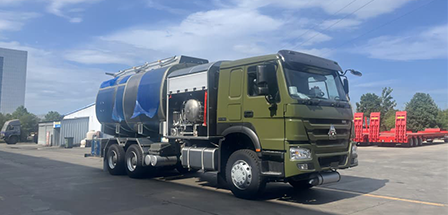
Aircraft refueling trucks, often referred to as fuel service vehicles, serve as mobile refueling units capable of delivering aviation fuel directly to aircraft on the tarmac. They bridge the gap between storage facilities and aircraft, providing flexibility that fixed refueling stations cannot. The global aviation sector’s expansion, coupled with stringent safety and environmental regulations, has heightened demand for high-quality, technologically advanced refueling trucks. Airports and ground handling companies are investing in equipment that improves operational efficiency while minimizing risks of fuel spills, fire, and contamination.
Core Concepts and Key Technologies
Aircraft refueling trucks integrate several technologies to ensure safe and efficient fuel delivery. The two primary goals are precision fuel management and operational safety.
Flow Control Systems: Advanced pumps and metering devices regulate fuel flow rates, ensuring accurate delivery volumes and preventing overfilling.
Filtration and Contamination Prevention: Multi-stage filters remove particulates and water from aviation fuel, maintaining compliance with fuel quality standards.
Safety Systems: Emergency shut-off valves, grounding mechanisms, fire suppression systems, and pressure relief devices mitigate hazards during fueling operations.
Telemetry and Monitoring: Modern vehicles are equipped with sensors and telemetry systems that provide real-time data on fuel levels, temperature, and tank integrity, enhancing operational oversight.
These technologies work together to ensure that aircraft receive the correct type and quantity of fuel without compromising safety, a critical consideration in both commercial and cargo operations.
Vehicle Structure, Performance, Materials, and Manufacturing
Aircraft refueling trucks are designed with a balance of mobility, payload capacity, and safety. The vehicle chassis must support heavy loads while providing maneuverability on airport aprons, taxiways, and congested ramps. Reinforced steel or aluminum alloys are commonly used for tank construction due to their strength, corrosion resistance, and ability to withstand operational stresses.
Tanks are often cylindrical or elliptical to reduce fuel sloshing, lowering the vehicle’s center of gravity and enhancing stability. Internal baffles and compartmentalization further stabilize fuel during movement, particularly during braking or turning. Pumps and hose reels are ergonomically positioned to facilitate rapid refueling, and the vehicle layout is modular to allow integration of advanced monitoring systems or filtration units.
Manufacturing processes emphasize quality and durability. Precision welding, pressure testing, corrosion-resistant coatings, and vibration testing ensure the tank can withstand frequent loading cycles and the rigors of airport operations. Suspension, braking systems, and powertrain configurations are engineered for both high payloads and safe maneuvering under challenging operational conditions.
Key Factors Affecting Quality and Performance
Several factors significantly influence the performance and reliability of aircraft refueling trucks:
Material Selection: High-quality alloys and corrosion-resistant coatings prevent structural failure and fuel contamination.
Tank Design: Proper compartmentalization, baffles, and reinforcement reduce sloshing and maintain stability.
Pump and Flow Systems: Accurate, reliable pumps and flow meters are essential for fuel precision and operational efficiency.
Safety Equipment Integration: Properly installed fire suppression, grounding, and emergency valves ensure compliance with airport safety protocols.
Operator Training and Maintenance: Skilled personnel and regular maintenance schedules are crucial to maintain operational integrity and prevent accidents.
Neglecting any of these factors can compromise safety, reduce operational efficiency, and increase maintenance costs.
Supply Chain and Supplier Considerations
Aircraft refueling trucks are complex systems requiring high-quality components and trusted suppliers. Key considerations for sourcing include:
Tank Fabrication Standards: Tanks should meet aviation safety standards, including pressure ratings and material specifications.
Pump and Flow Equipment: Suppliers should offer precise metering, filtration, and leak-proof components.
Electronic Monitoring Systems: Sensors and telemetry modules must be compatible with the vehicle’s fuel management system and provide real-time data.
After-Sales Support: Availability of spare parts, technical training, and maintenance services is critical to ensure long-term operational reliability.
Selecting certified, experienced suppliers reduces production risks and ensures compliance with regulatory and operational standards.
Common Challenges and Industry Pain Points
Airports and ground handling operators face several challenges related to aircraft refueling:
Fuel Contamination Risk: Particulates or water in fuel can damage aircraft engines, requiring stringent filtration and quality control.
Operational Delays: Slow fueling processes can disrupt flight schedules, making efficiency a critical metric.
Safety Hazards: Aviation fuel is highly flammable, and any leak or spill poses a significant fire risk.
Variable Airport Layouts: Tight taxiways and crowded ramps require refueling trucks to be maneuverable without compromising fuel delivery speed.
Maintenance Burden: Complex mechanical, electrical, and hydraulic systems necessitate regular inspections and preventive maintenance.
Addressing these issues requires engineering design improvements, operator training, and the integration of automated monitoring systems.
Application Scenarios and Use Cases
Aircraft refueling trucks are essential in a wide range of airport operations:
Commercial Aviation: Large passenger airports rely on mobile refueling trucks to serve aircraft at gates and remote stands efficiently.
Cargo Hubs: Refueling trucks enable continuous cargo operations, reducing downtime between flights.
Private and Regional Airports: Smaller facilities benefit from versatile refueling units capable of handling multiple fuel types with limited infrastructure.
Emergency and Military Operations: Specialized refueling vehicles support rapid deployment and refueling in field conditions or contingency scenarios.
These use cases illustrate how efficient, safe refueling practices support overall airport productivity and operational reliability.
Current Trends and Future Directions
The aircraft refueling sector is evolving under the influence of technology, regulation, and sustainability pressures:
Digital Monitoring: Real-time telemetry, remote diagnostics, and fuel consumption analytics improve operational oversight and reduce human error.
Hybrid and Electric Powertrains: Emerging vehicles reduce emissions on airport aprons, aligning with environmental regulations and corporate sustainability goals.
Enhanced Safety Systems: Automated fire suppression, collision avoidance sensors, and leak detection systems are becoming standard.
Lightweight Materials: Aluminum alloys and composite materials reduce vehicle weight, increasing payload capacity and maneuverability.
Automation and Integration: Future refueling trucks may integrate with airport management software for predictive fueling, route optimization, and real-time operational coordination.
These trends point toward more intelligent, environmentally responsible, and efficient aircraft refueling solutions for airports worldwide.
Conclusion
Aircraft refueling trucks are indispensable to airport operations, providing safe, flexible, and efficient fuel delivery across commercial, cargo, and private aviation sectors. By combining advanced tank designs, reliable pumping systems, integrated safety technologies, and precise operational controls, these vehicles minimize risk while supporting high-volume airport operations. Manufacturers and operators that prioritize quality, maintenance, and operator training ensure optimal performance, compliance with regulations, and long-term reliability. As airports face growing operational demands and environmental expectations, the evolution of aircraft refueling trucks will continue to play a central role in maintaining safe, efficient, and sustainable aviation operations.



 WhatsApp
 Phone
Phone
Comment
(0)