How Tanker Trucks Improve Fuel Transport Efficiency and Safety
Industry Background and Market Demand
The global demand for fuel transport has grown steadily with increasing industrialization, urbanization, and the expansion of energy infrastructure. Refineries, distribution hubs, airports, and logistics companies require reliable systems to move petroleum products, diesel, gasoline, and other fuels over long distances. Tanker trucks are a critical component in the fuel supply chain, bridging the gap between production facilities and end users.
Fuel transport faces unique challenges due to the flammable and hazardous nature of the cargo, regulatory constraints, and environmental considerations. Traditional transport methods, such as rail or pipeline, are often inflexible or geographically limited, while tanker trucks provide mobility, flexibility, and accessibility to remote or high-demand locations. Consequently, manufacturers and operators increasingly emphasize efficiency and safety in tanker truck design, aiming to reduce operational costs, minimize environmental risk, and ensure regulatory compliance.
Core Concepts and Key Technologies
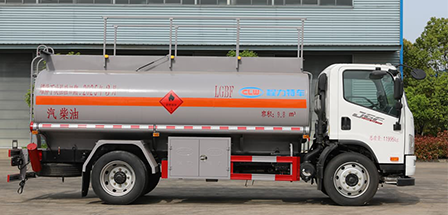
Modern tanker trucks integrate multiple technologies to achieve both fuel transport efficiency and operational safety. Two primary objectives guide design: minimizing transport time and reducing risk exposure. Key technological elements include:
Compartmentalized Tanks: Multiple tank compartments reduce liquid surge and weight shifting during transit, improving stability and reducing spill risk.
Baffle Systems: Internal baffles further control liquid movement, maintaining vehicle balance and minimizing impact on braking and maneuverability.
Advanced Pumping Systems: High-efficiency pumps accelerate loading and unloading operations, while maintaining pressure control to prevent spillage.
Leak Detection and Monitoring: Sensors and automatic shut-off valves alert operators to potential leaks or pressure anomalies, enabling rapid intervention.
Safety Equipment Integration: Fire suppression systems, grounding cables, and emergency relief valves are essential for mitigating hazards during accidents or equipment failure.
These technologies collectively enhance operational efficiency while prioritizing the safety of personnel, cargo, and surrounding environments.
Vehicle Structure, Performance, Materials, and Manufacturing
The chassis and tank design are critical to both efficiency and safety. Most tanker trucks employ heavy-duty steel or aluminum alloys for structural integrity while balancing weight considerations to optimize fuel economy. Aluminum is often preferred for its resistance to corrosion and lower overall weight, which allows greater payload capacity without exceeding regulatory limits.
Tank shape and construction influence stability, with elliptical or cylindrical designs reducing liquid sloshing and maintaining a low center of gravity. Welding techniques, pressure testing, and quality control inspections ensure tank integrity, especially for pressurized fuels or long-haul operations.
Performance parameters, including engine power, braking systems, suspension, and tire selection, directly affect safety and fuel economy. A well-designed suspension reduces tank sway and vibration, while efficient powertrains and aerodynamic considerations lower fuel consumption during extended transport. Auxiliary systems, such as onboard monitoring devices and GPS-based telematics, provide operational oversight and route optimization.
Key Factors Affecting Quality and Performance
Several critical factors influence the performance, reliability, and safety of tanker trucks:
Tank Integrity: Material selection, welding quality, and anti-corrosion treatments are essential to prevent leaks and structural failure.
Liquid Management Systems: Proper compartmentalization, baffles, and pumping mechanisms minimize sloshing, improving vehicle stability and driver control.
Operator Training: Even advanced technologies require skilled operators to manage loading, unloading, and emergency scenarios.
Maintenance Practices: Regular inspections, valve calibration, and chassis upkeep ensure long-term reliability and prevent accidents.
Compliance with Regulations: Adherence to local and international standards for hazardous materials transport is critical for legal and operational risk management.
Ignoring any of these factors can result in accidents, fuel loss, regulatory penalties, or damage to the company’s reputation.
Supply Chain and Supplier Considerations
Selecting high-quality components and reliable suppliers is essential for manufacturing safe and efficient tanker trucks. Important considerations include:
Certified Tank Fabrication: Tanks should meet industry standards for pressure rating, corrosion resistance, and structural integrity.
Engine and Powertrain Quality: Suppliers with proven reliability and long-term support agreements reduce operational downtime.
Integrated Technology Vendors: Providers of pumps, valves, and monitoring systems must offer compatibility with tank design and telematics solutions.
After-Sales Service: Availability of spare parts, maintenance training, and technical support are critical for operational continuity.
An optimized supply chain ensures that the final product maintains both performance and safety standards while minimizing production risks.
Common Challenges and Industry Pain Points
Tanker truck operators face several challenges that can impact efficiency and safety:
Liquid Surge and Vehicle Stability: Improperly designed tanks can cause sloshing, affecting braking and steering, particularly in emergency maneuvers.
Environmental Hazards: Accidental spills pose significant environmental and regulatory consequences, necessitating robust containment systems.
Regulatory Compliance: Varying local and international standards require flexible designs and careful documentation.
Fuel Theft and Security: Transporting high-value commodities like fuel necessitates secure storage, GPS tracking, and tamper-proof designs.
Maintenance Costs: Aging fleets or poorly maintained components increase the likelihood of breakdowns or safety incidents.
Addressing these pain points through engineering design, operator training, and technology integration is key to sustained operational success.
Application Scenarios and Use Cases
Tanker trucks are used in a wide range of industries and operational contexts:
Industrial Fuel Delivery: Refineries and power plants rely on tanker trucks for scheduled delivery of diesel, gasoline, and other fuel types.
Airport Operations: aircraft refueling trucks are specialized variants designed for precise fueling, safety compliance, and rapid turnaround times.
Construction and Mining Sites: Remote operations often require mobile fuel delivery to generators and heavy machinery, where pipelines are unavailable.
Emergency Fuel Supply: Tanker trucks provide temporary fuel distribution during disaster relief or infrastructure outages, ensuring critical operations continue.
Real-world use cases highlight how efficiency improvements, such as optimized routing and high-speed pumping systems, reduce delivery time while maintaining rigorous safety standards.
Current Trends and Future Directions
The tanker truck sector is evolving rapidly under the influence of technology, regulation, and environmental considerations. Key trends include:
Digitalization and Telematics: GPS routing, real-time load monitoring, and predictive maintenance are improving fuel delivery efficiency and operational transparency.
Alternative Powertrains: Hybrid and electric models reduce carbon emissions, particularly for urban fuel distribution, and are increasingly mandated by regulatory authorities.
Enhanced Safety Systems: Advanced collision avoidance, automated braking, and fire suppression systems are becoming standard in modern fleets.
Lightweight and Corrosion-Resistant Materials: Use of aluminum, stainless steel, and composite materials enhances payload efficiency and reduces maintenance frequency.
Regulatory Harmonization: International standards for hazardous fuel transport are converging, enabling cross-border operations with consistent safety measures.
Looking ahead, the integration of smart monitoring systems, environmentally friendly designs, and modular tanks will further improve both safety and efficiency in fuel transport operations.
Conclusion
Tanker trucks are a cornerstone of the fuel supply chain, providing flexible, reliable, and safe delivery solutions across multiple industries. By combining advanced tank design, robust materials, modern pumping systems, and integrated safety technologies, these vehicles optimize transport efficiency while minimizing risk. Manufacturers and operators that prioritize quality components, rigorous maintenance, and operator training can achieve superior performance and safety outcomes. As urbanization and industrial demand continue to grow, and as environmental and regulatory pressures increase, the evolution of tanker trucks will remain critical to ensuring the safe and efficient movement of fuel worldwide.



 WhatsApp
 Phone
Phone
Comment
(0)