

Zero-emission water tanker
A zero-emission water tanker is a specialized vehicle designed to transport and distribute water without producing exhaust gases or direct greenhouse‑gas emissions during operation. It is typically powered by a fully electric drivetrain or a hydrogen fuel cell system, replacing the traditional internal combustion engine. This transition not only eliminates tailpipe emissions such as carbon dioxide, nitrogen oxides, and particulate matter, but also significantly reduces noise pollution, making it suitable for dense urban areas and sensitive environments.The core of an electric water tanker is a high-capacity battery pack that stores energy to drive electric motors connected to the wheels. The battery is recharged from the electrical grid, ideally using renewable energy sources such as solar, wind, or hydro power. In the case of hydrogen fuel cell water tankers, electricity is generated onboard through a chemical reaction between hydrogen and oxygen, with water vapor being the only by‑product. Both approaches offer a clean and efficient alternative to diesel-powered trucks.The tanker body is engineered to carry large volumes of potable or non‑potable water safely, often featuring compartments, baffles, and advanced level‑monitoring systems to minimize liquid sloshing and maintain vehicle stability. Pumping and spraying systems can also be electrified, using high‑efficiency electric pumps instead of hydraulically driven or engine‑driven systems. These pumps allow precise control of flow rates and pressure, which is crucial for tasks such as road cleaning, dust suppression at construction sites, agricultural irrigation, and firefighting support.Modern zero-emission water tankers can be equipped with telematics and smart control systems that monitor energy consumption, route efficiency, pump usage, and water levels in real time. Integration with route‑planning software enables operators to minimize travel distance, avoid congestion, and plan charging or refueling stops, thus maximizing operational uptime. Regenerative braking systems recover kinetic energy during deceleration, feeding it back into the battery and extending the driving range, especially in stop‑and‑go urban conditions.From an environmental perspective, deploying zero‑emission water tankers helps cities and industries meet air‑quality standards and climate‑action targets. They are particularly valuable in areas where conventional heavy vehicles contribute significantly to local pollution, such as ports, industrial zones, and large construction projects. Reduced noise and vibration improve working conditions for drivers and nearby residents.Economic benefits can include lower operating and maintenance costs, due to fewer moving parts in electric drivetrains and reduced reliance on fossil fuels. Over the vehicle’s lifetime, savings in fuel and maintenance can offset higher initial acquisition costs, especially when supported by government incentives or carbon‑reduction programs. As charging and hydrogen‑refueling infrastructure continues to expand, zero‑emission water tankers are expected to play a growing role in sustainable logistics and urban services, demonstrating how essential utility vehicles can be decarbonized without compromising performance or reliability.
Products
Category:
-
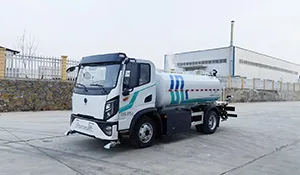
One is a 6.7 cubic meter pure electric sprinkler truck
Category: Sprinkler truckBrowse number: 3Number:Release time: 2026-03-25 14:15:05The Electric Sprinkler Truck is a sustainable solution for urban water distribution and dust control. Its battery-powered design ensures zero emissions, silent operation, and efficient water spraying. Ideal for city streets, parks, construction sites, and industrial areas, this vehicle combines environmental benefits with high performance and reliability.
News
Category:
No search results found!
Case
Category:
No search results found!
Video
Category:
No search results found!
Download
Category:
No search results found!
Job
Category:
No search results found!
Featured Products
No search results found!



 WhatsApp
 Phone
Phone