

Ventilated poultry seedling vehicle
A ventilated poultry seedling vehicle is a specialized transport unit designed to move day‑old chicks or young poultry safely and efficiently. Its core purpose is to maintain a stable micro‑environment that protects fragile animals from temperature fluctuations, poor air quality, and mechanical stress during transit. This type of vehicle integrates environmental control, structural safety, and biosecurity features into a single mobile platform.The body of the vehicle is usually insulated to reduce heat gain or loss, allowing the interior climate to remain within a narrow temperature range. Walls, roof, and floor panels are often constructed from lightweight yet durable sandwich materials that combine thermal insulation with easy‑to‑clean surfaces. Inside, adjustable racks or modular shelving systems hold chick boxes securely, maximizing load capacity while ensuring sufficient space for air circulation around each container.Ventilation is the defining feature of this vehicle. A combination of fresh‑air inlets, exhaust outlets, and circulation fans creates a controlled airflow pattern throughout the cargo area. Fans are positioned to prevent dead zones and to distribute air evenly from floor to ceiling and front to rear. The system typically allows regulation of air exchange rates according to outside weather conditions and animal density, preventing both heat build‑up and excessive drafts. In advanced versions, variable‑speed fans respond automatically to sensor data, maintaining optimal conditions with minimal energy use.Temperature and humidity control systems work in concert with ventilation. Heating units, cooling devices, or integrated climate modules keep the interior within the narrow thermal comfort zone required by young birds. Sensors monitor temperature and relative humidity at multiple points, feeding data to a central control panel. This enables real‑time adjustments and alarms in case of deviations. Proper humidity control reduces dehydration risk and helps maintain feather and skin condition.Biosecurity and hygiene are also critical aspects of design. Smooth, non‑porous interior surfaces allow rapid cleaning and disinfection between trips, reducing the risk of disease transmission. Drainage channels and removable floor panels help remove litter, dust, and waste water. Air intake systems may include filters to limit the entry of dust and airborne pathogens, protecting both the transported animals and the destinations they reach.From a safety perspective, the suspension and chassis of the vehicle are engineered to minimize vibration and impact during travel. Stable shelving systems and secure mounting points prevent movement of chick crates, reducing the chance of crushing or piling. Interior lighting supports quick inspection, while external indicators can show the operational status of the ventilation and climate systems.Energy supply is another important consideration. Many ventilated poultry seedling vehicles combine power from the main engine with auxiliary generators or battery systems to ensure uninterrupted climate control, even during loading, unloading, or unexpected stops. In some designs, remote monitoring allows operators to track location, environmental conditions, and system performance in real time.Overall, a ventilated poultry seedling vehicle plays a key role in modern poultry production logistics. By providing controlled ventilation, stable climate, robust hygiene, and reliable safety features, it significantly improves survival rates and welfare of young birds during transport, while enhancing operational efficiency for hatcheries, farms, and distribution networks.
Products
Category:
-
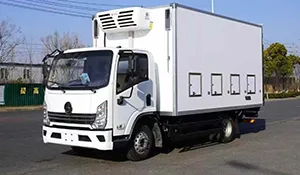
Shaanxi Automobile Delong Chicken Seedling Transport Vehicle
Category: Refrigerated truckBrowse number: 4Number:Release time: 2026-03-25 09:37:49The Shaanxi Automobile Delong chicken seedling transport vehicle is engineered for the safe and stable transportation of day-old chicks. Its controlled ventilation, adjustable temperature system, and optimized airflow pathways help maintain consistent internal conditions, reducing stress and improving survival rates during long-distance or multi-regional agricultural logistics.
News
Category:
No search results found!
Case
Category:
No search results found!
Video
Category:
No search results found!
Download
Category:
No search results found!
Job
Category:
No search results found!
Featured Products
No search results found!



 WhatsApp
 Phone
Phone