

Livestock and poultry transport vehicle
Livestock and poultry transport vehicles are specially designed units used for the safe, efficient, and humane movement of animals such as cattle, sheep, pigs, chickens, and ducks. These vehicles play a crucial role in modern agriculture by connecting farms, markets, slaughterhouses, and processing facilities while maintaining animal welfare and product quality.The structure of a livestock and poultry transport vehicle is typically based on a truck chassis with an enclosed or semi‑enclosed body. The body is reinforced to withstand movement and impact caused by animals during transport. Floors are usually made of non‑slip, wear‑resistant materials to prevent animals from falling or being injured. Drainage systems are integrated into the floor design to allow easy cleaning and rapid removal of waste and water, helping to maintain hygiene during and after transport.Ventilation is a key feature of these vehicles. Adequate airflow is essential to control temperature, reduce humidity, and remove harmful gases such as ammonia. Vehicles may use natural ventilation through side openings or mechanical systems with fans and adjustable vents. In hot climates or long‑distance transport, some vehicles are equipped with temperature control systems to reduce heat stress. In colder regions, partial enclosure and wind‑proof designs help protect animals from low temperatures and drafts.For poultry transport, the vehicle body is often adapted to carry modular crates or cages. These crates are stacked and secured to maximize space utilization while ensuring that each bird has adequate room and access to fresh air. For larger livestock, such as cattle or pigs, the vehicle interior is divided into compartments using partitions or gates. This reduces crowding, limits aggressive behavior, and improves stability by distributing weight evenly across the vehicle.Loading and unloading systems are also critical. Ramps, lift platforms, or hydraulic tailgates provide gentle slopes and stable surfaces so animals can move safely. Some vehicles are fitted with side doors and adjustable ramps to accommodate different dock heights and farm layouts. Proper design in this area reduces stress, minimizes injury, and shortens handling time.Hygiene and biosecurity are increasingly important. Surfaces inside the vehicle are selected for easy washing and disinfection. After each journey, thorough cleaning routines help reduce the risk of spreading diseases between farms and regions. Some transport units incorporate separate zones for equipment storage and staff access to avoid cross‑contamination.From an operational perspective, these vehicles are designed to comply with animal welfare regulations and road safety standards. Features such as internal lighting, secure locking systems, and emergency exits improve both animal and operator safety. The overall design focuses on balancing capacity, fuel efficiency, and maneuverability, enabling reliable transport in rural and urban environments while maintaining high welfare standards for livestock and poultry.
Products
Category:
-
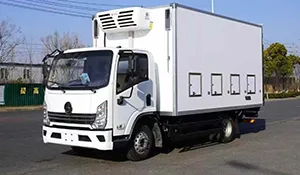
Shaanxi Automobile Delong Chicken Seedling Transport Vehicle
Category: Refrigerated truckBrowse number: 4Number:Release time: 2026-03-25 09:37:49The Shaanxi Automobile Delong chicken seedling transport vehicle is engineered for the safe and stable transportation of day-old chicks. Its controlled ventilation, adjustable temperature system, and optimized airflow pathways help maintain consistent internal conditions, reducing stress and improving survival rates during long-distance or multi-regional agricultural logistics.
News
Category:
No search results found!
Case
Category:
No search results found!
Video
Category:
No search results found!
Download
Category:
No search results found!
Job
Category:
No search results found!
Featured Products
No search results found!



 WhatsApp
 Phone
Phone