

Heavy-duty fuel transport vehicle
A heavy-duty fuel transport vehicle is a specialized truck designed to safely carry large quantities of liquid fuels such as diesel, gasoline, or aviation fuel over long distances. Its structure, materials, and safety systems are all engineered to handle flammable and hazardous liquids while complying with strict transport regulations.The core of the vehicle is the tanker body, usually constructed from high‑strength carbon steel, stainless steel, or aluminum alloy. These materials offer a balance of durability, corrosion resistance, and weight reduction. The tank is often cylindrical with multiple internal compartments. Compartmentalization helps distribute weight evenly, reduces liquid surge during braking or turning, and allows different types or grades of fuel to be transported at the same time. Each compartment has its own manhole, vent, and outlet valve to facilitate loading, unloading, and maintenance.The chassis of a heavy-duty fuel transport vehicle is built on a reinforced frame able to support both the weight of the tank and the dynamic forces created by moving liquid. It typically features multiple axles and heavy‑duty suspension systems to enhance stability, especially when operating at maximum gross vehicle weight. Powerful diesel engines provide the necessary torque for highway cruising as well as for climbing steep grades, often in combination with multi‑speed transmissions that optimize fuel efficiency and performance.Safety is a primary consideration in the design. The tank is equipped with pressure‑relief valves and breathing systems to manage vapor and prevent excessive pressure buildup. Anti‑overfill devices and emergency shutoff valves help minimize the risk of spills during loading and unloading. Bottom loading systems are commonly used to reduce fall risk for operators and limit vapor emissions. Many vehicles are fitted with grounding and bonding connections to dissipate static electricity, reducing the chance of ignition when transferring fuel.The braking system generally includes air brakes with advanced features such as anti‑lock braking systems (ABS) and sometimes electronic stability control to keep the vehicle steady during sudden maneuvers or on slippery roads. Fire extinguishers, emergency cut‑off switches, reflective markings, and clearly visible hazard placards are standard safety equipment.Operationally, heavy-duty fuel transport vehicles serve fuel depots, refineries, airports, construction sites, and retail filling stations. They are designed to load fuel from terminals via top or bottom loading arms and discharge through meters, pumps, or gravity feed systems. Some units integrate onboard pumping systems driven by power take‑off from the truck engine, allowing flexible delivery in locations without fixed pumping infrastructure.Comfort and control features in the cab support the driver’s demanding role. Modern vehicles may incorporate telematics, GPS tracking, and electronic logging systems to monitor routes, fuel volumes, and compliance with driving‑time regulations. Together, these engineering features make the heavy-duty fuel transport vehicle a critical link in the energy supply chain, combining high payload capacity with rigorous safety and environmental standards.
Products
Category:
-
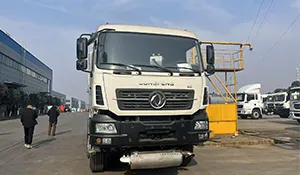
Dongfeng rear double-axle refueling truck
Category: Aircraft refueling truckBrowse number: 3Number:Release time: 2026-03-24 15:51:25The Dongfeng rear double-axle refueling truck is engineered for reliable and safe aviation fuel delivery. Featuring high-capacity tanks, precision pumps, and reinforced chassis, it ensures rapid fuel transfer to various aircraft types. Its rear double-axle design provides superior stability and mobility across airport tarmacs and operational surfaces.
News
Category:
No search results found!
Case
Category:
No search results found!
Video
Category:
No search results found!
Download
Category:
No search results found!
Job
Category:
No search results found!
Featured Products
No search results found!



 WhatsApp
 Phone
Phone