Explosion-Proof Water Cannon Trucks: Safety and Performance Explained
Industry Background and Market Demand
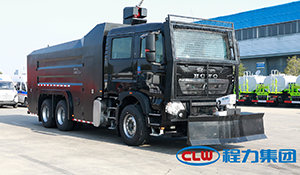
Firefighting in high-risk industrial environments, including chemical plants, oil refineries, and storage facilities, demands specialized equipment designed to operate under extreme conditions. Conventional fire trucks are often inadequate for sites where flammable materials or explosive atmospheres pose serious hazards. Explosion-proof water cannon trucks, engineered to deliver high-pressure water safely, have emerged as a critical solution in mitigating fire and industrial accident risks.
The demand for these specialized vehicles is driven by stricter safety regulations, heightened awareness of industrial hazards, and the increasing scale and complexity of industrial operations. Organizations managing hazardous environments require reliable, high-performance water cannon systems that can respond rapidly, suppress fires efficiently, and maintain operator safety. Consequently, explosion-proof water cannon trucks are becoming standard equipment for industrial firefighting fleets globally.
Core Concepts and Key Technologies
Explosion-proof water cannon trucks integrate multiple technologies to ensure operational safety and firefighting effectiveness. Key technical considerations include:
Explosion-Proof Design: Electrical components, pumps, and control systems are enclosed and certified to prevent ignition in flammable atmospheres. The chassis and water tank are reinforced to withstand internal pressure and potential thermal stress.
High-Pressure Water Cannons: Adjustable nozzles and automated control systems enable precise targeting of flames while optimizing flow rates to suppress fires efficiently.
Safety Systems Integration: Emergency shut-off valves, pressure relief devices, grounding systems, and remote operation capabilities reduce risks to personnel during high-intensity firefighting.
Thermal and Pressure Monitoring: Sensors continuously track water pressure, cannon temperature, and tank integrity, alerting operators to abnormal conditions before critical failures occur.
These features collectively enhance both safety and performance, ensuring rapid response in hazardous conditions while minimizing exposure risks to crew members.
Vehicle Structure, Performance, Materials, and Manufacturing
The construction of explosion-proof water cannon trucks focuses on durability, stability, and operational reliability. Heavy-duty chassis platforms support reinforced water tanks, high-capacity pumps, and mounted cannon systems. Material selection is critical: stainless steel or reinforced aluminum alloys are commonly used for tanks and piping to resist corrosion, high temperatures, and mechanical stress.
The water cannon itself is often mounted on a swiveling turret to provide a wide operational range without repositioning the vehicle. Hydraulic or electric actuators control elevation, rotation, and nozzle adjustments. High-pressure pumps are designed for continuous operation under demanding conditions, and auxiliary systems, such as foam injection or additive dosing, enhance firefighting versatility.
Manufacturing processes include precision welding, pressure testing, and anti-corrosion treatments. Explosion-proof certification requires careful assembly of electrical and hydraulic systems, ensuring that all components can operate safely in combustible environments. Suspension and braking systems are engineered to manage the heavy load of water tanks while maintaining maneuverability on industrial sites.
Key Factors Affecting Quality and Performance
Several critical factors determine the operational effectiveness and safety of explosion-proof water cannon trucks:
Tank Integrity and Material Quality: Structural failure or leaks can compromise both safety and firefighting effectiveness.
Pump and Cannon Reliability: Consistent water flow and pressure are essential for suppressing large-scale fires quickly.
Explosion-Proof Certification: Electrical and hydraulic systems must meet regulatory standards to prevent ignition in hazardous atmospheres.
Operator Training and Safety Protocols: Even advanced equipment requires trained personnel to operate safely and effectively.
Maintenance Practices: Regular inspection of mechanical, hydraulic, and electrical components ensures long-term performance and reduces downtime.
Neglecting these factors can increase operational risk, reduce firefighting efficiency, and violate safety regulations.
Supply Chain and Supplier Considerations
The production and maintenance of explosion-proof water cannon trucks rely on a robust and reliable supply chain. Key considerations include:
Certified Electrical Components: Suppliers must provide explosion-proof pumps, valves, and control modules that meet ATEX, IECEx, or equivalent standards.
Durable Mechanical Systems: Chassis, tank, and cannon manufacturers should offer proven reliability in industrial environments.
Integrated Systems Providers: Companies capable of delivering fully compatible hydraulic, electrical, and monitoring systems streamline production and ensure operational safety.
After-Sales Support: Availability of spare parts, maintenance services, and technical training is crucial for continuous, reliable operation.
Selecting experienced suppliers reduces the risk of component failure and ensures compliance with industrial safety standards.
Common Challenges and Industry Pain Points
Operators of explosion-proof water cannon trucks face several challenges:
High Operational Complexity: Coordinating high-pressure systems, remote controls, and safety mechanisms requires skilled operators.
Maintenance Demands: Dual electrical and hydraulic systems demand frequent inspection and specialized maintenance knowledge.
Environmental and Regulatory Compliance: Vehicles must comply with strict industrial, environmental, and safety standards.
Weight and Mobility Limitations: Heavy tanks and reinforcement structures can limit maneuverability on complex industrial sites.
Emergency Deployment Timing: Rapid response is critical; any operational delays can escalate fire severity and risk.
Addressing these issues requires careful design, operator training, and a comprehensive maintenance strategy.
Application Scenarios and Use Cases
Explosion-proof water cannon trucks are deployed in diverse industrial contexts:
Chemical Plants and Refineries: Rapid suppression of flammable liquid fires reduces risk of catastrophic incidents.
Oil and Gas Storage Facilities: High-capacity water cannons and foam injection systems provide effective containment for large-scale fires.
Mining Operations: Remote site firefighting benefits from mobile, high-pressure water systems.
Industrial Manufacturing Facilities: Vehicles protect critical infrastructure from fire hazards in hazardous material zones.
These examples highlight the necessity of specialized water cannon trucks for safe and efficient emergency response in high-risk environments.
Current Trends and Future Directions
The industry is evolving under technological, regulatory, and environmental influences:
Automation and Remote Control: Remote-operated water cannons reduce operator exposure to hazards.
Integration of Firefighting Foam Systems: Enhanced suppression efficiency for flammable liquid fires is increasingly standard.
Lightweight, Corrosion-Resistant Materials: Advanced alloys reduce weight and improve vehicle maneuverability without compromising structural strength.
Digital Monitoring and Predictive Maintenance: Sensors and telemetry systems track operational parameters and predict maintenance needs, minimizing downtime.
Regulatory Harmonization: International safety standards are converging, facilitating cross-border deployment of certified firefighting vehicles.
These trends indicate that explosion-proof water cannon trucks will continue to become safer, more efficient, and technologically advanced, supporting industrial safety and environmental compliance.
Conclusion
Explosion-proof water cannon trucks are indispensable in hazardous industrial and chemical environments, providing high-performance firefighting capabilities while prioritizing operator safety. Through reinforced structures, explosion-proof electrical systems, high-pressure water cannons, and integrated monitoring technologies, these vehicles ensure rapid, effective fire suppression. Manufacturers and operators that emphasize component quality, operator training, and rigorous maintenance achieve superior reliability and compliance. As industrial risks increase and safety standards evolve, explosion-proof water cannon trucks will remain a critical asset for mitigating fire hazards, protecting personnel, and safeguarding infrastructure worldwide.



 WhatsApp
 Phone
Phone
Comment
(0)